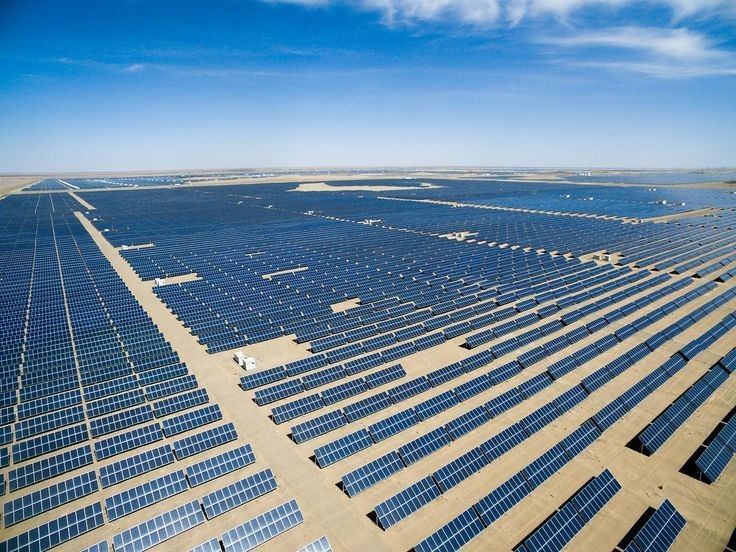
EV Charging Station
Network Infrastructure
Finstream enables digital ownership of EV charging infrastructure providing the custody and distribution technology for platforms that tokenize station networks, revenue streams, and transport infrastructure assets.
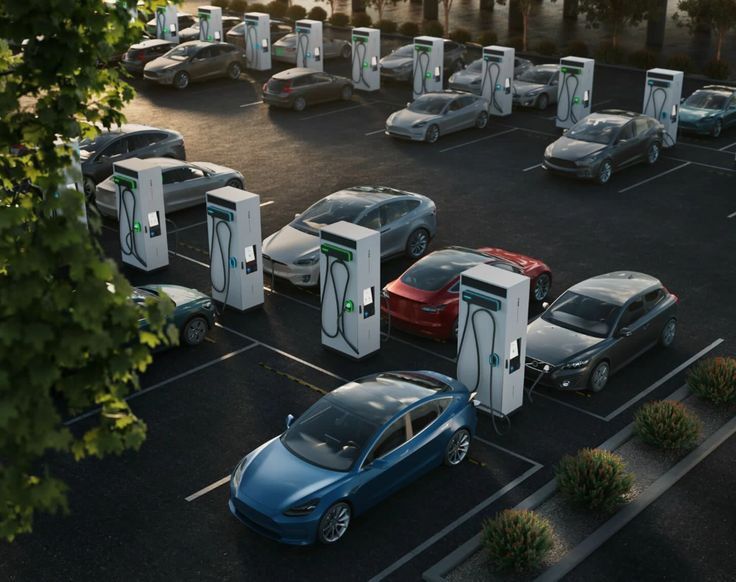
The infrastructure bottleneck of the EV transition
The global EV fleet is projected to exceed 300 million vehicles by 2030, yet public charging infrastructure remains severely underfunded. Tokenization makes charging station cash flows accessible as digital assets, opening station ownership to a much wider range of participants.
Finstream's wallet infrastructure is built for this type of real world asset product where operators manage large numbers of individual asset tokens, automate revenue distributions at scale, and maintain compliance across jurisdictions.
Station Ownership Tokens
Fractional digital ownership of stations with distributions from per kWh revenue and advertising.
Fleet Charging Agreements
Long term contracts with fleet operators structured as on chain instruments with predictable cash flows.
Grid Services Revenue
Smart stations enrolled in demand response programs generate ancillary services and grid balancing income.
Carbon Offset Integration
Each kWh of clean energy delivered displaces emissions. Verified reductions packaged as on chain carbon credits.
Platform Infrastructure
EV Car Charging Power Stations
EV charging power stations are the fuel infrastructure of the future. They are the backbone of the electric mobility revolution, providing the energy that powers electric vehicles the same way petrol stations serve fuel today, but smarter, cleaner, and driven by technology and innovation.
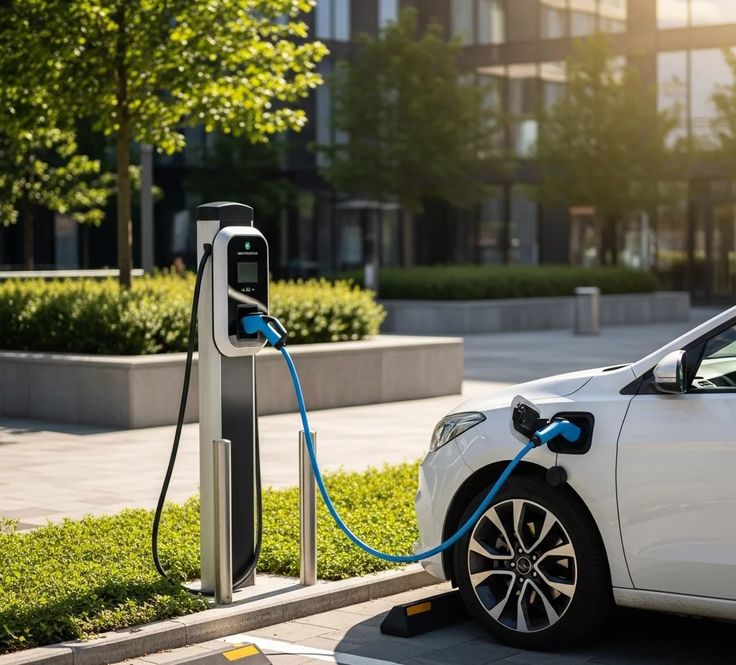

Electric vehicles are growing rapidly across the world. As more EVs enter the roads, demand for charging increases. This creates a continuous and expanding need for infrastructure. Charging stations are no longer optional. They are essential. Every EV depends on reliable access to charging. Without infrastructure, adoption cannot scale.
From an investment perspective, this is a powerful opportunity. EV charging stations generate recurring revenue. Drivers need to charge regularly, not just once. This creates consistent and predictable income streams through multiple channels: charging fees, subscription models, fleet partnerships, and advertising and retail partnerships.
Revenue Channels
Best Locations
Technology
Smart charging systems optimize energy usage. Digital platforms allow monitoring and control. Data collected helps improve performance and pricing.
Government Support
Policies and incentives reduce investor risk. Clean energy initiatives are driving adoption forward, creating a favorable environment for growth.
Emerging Markets
In Africa and other emerging markets, the infrastructure gap is still wide open. Early investors can secure prime locations and establish strong market positions.
Car Charging Station Investment
A car charging station is a place where electric vehicles plug in to recharge their batteries. Investors fund the installation of charging equipment, and drivers pay a fee to use it. There are three main investment models.
A. Direct Ownership
An investor or company builds and owns the station. You buy or lease land, install EV charging equipment, connect to the power grid, and charge drivers per session or per kWh. Revenue comes directly from selling electricity to drivers.
B. Partnership Model
You provide the location while another company installs the chargers. You get 20 to 40% of revenue, they manage operations. Common in malls, hotels, and parking garages with charging network companies or energy providers.
C. Fractional Infrastructure Investment
Investors buy shares in charging networks through EV infrastructure funds, green energy investment platforms, or public charging companies. Revenue comes from charging fees, subscriptions, advertising, and energy partnerships.
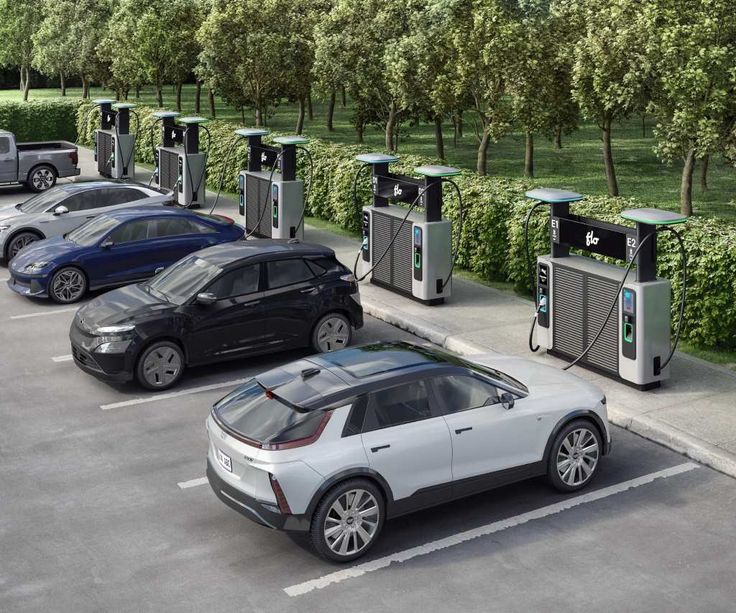
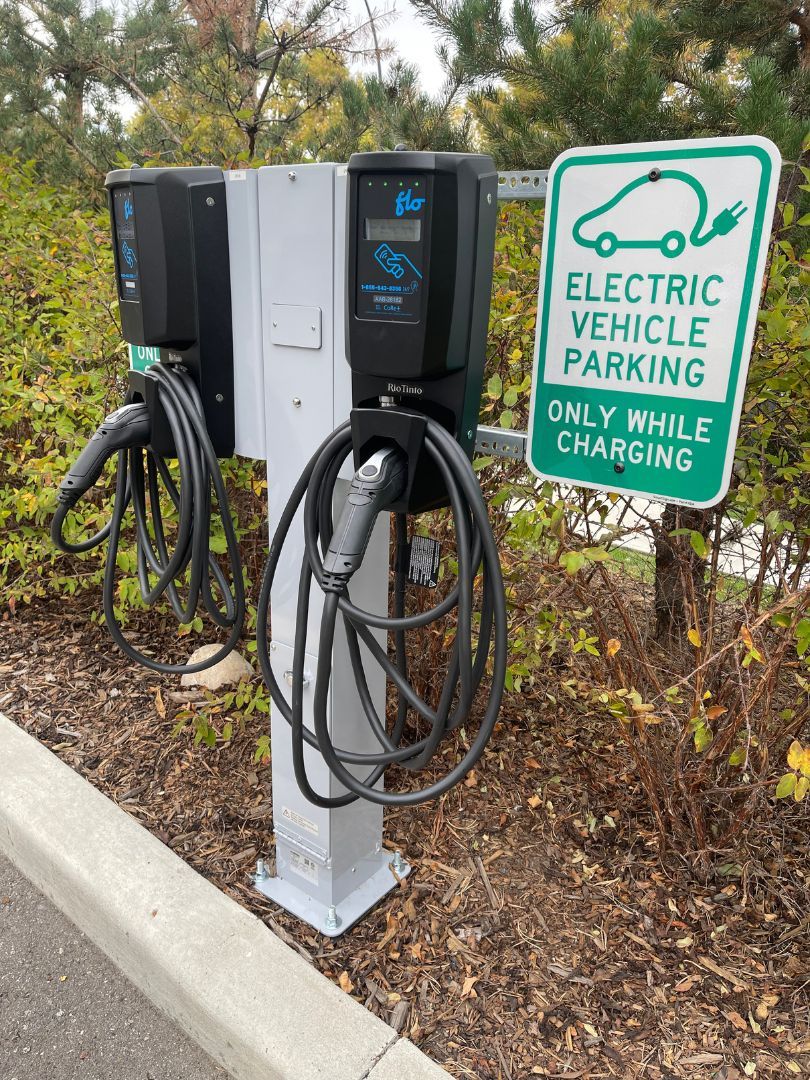
How Charging Stations Make Money
Charging Fees
Drivers pay per kWh, per time, or a fast charging premium. Example: $0.30 per kWh, car uses 50 kWh, driver pays $15 per charge.
Membership Plans
Some networks offer subscriptions (e.g. $20 monthly plan with cheaper charging rates) for steady recurring income.
Advertising
Stations with screens show ads while vehicles charge. Businesses pay for promotion to a captive audience.
Retail Partnerships
Charging takes 20 to 40 minutes, so drivers shop nearby. Malls and restaurants benefit from extra traffic and pay partnership fees.
Fleet and Data Charging
Stations partner with taxi fleets, delivery companies, and ride share companies for large volume, predictable charging contracts.
Investment Costs and Returns
Charger Type vs Cost
Revenue Example (Fast Charger)
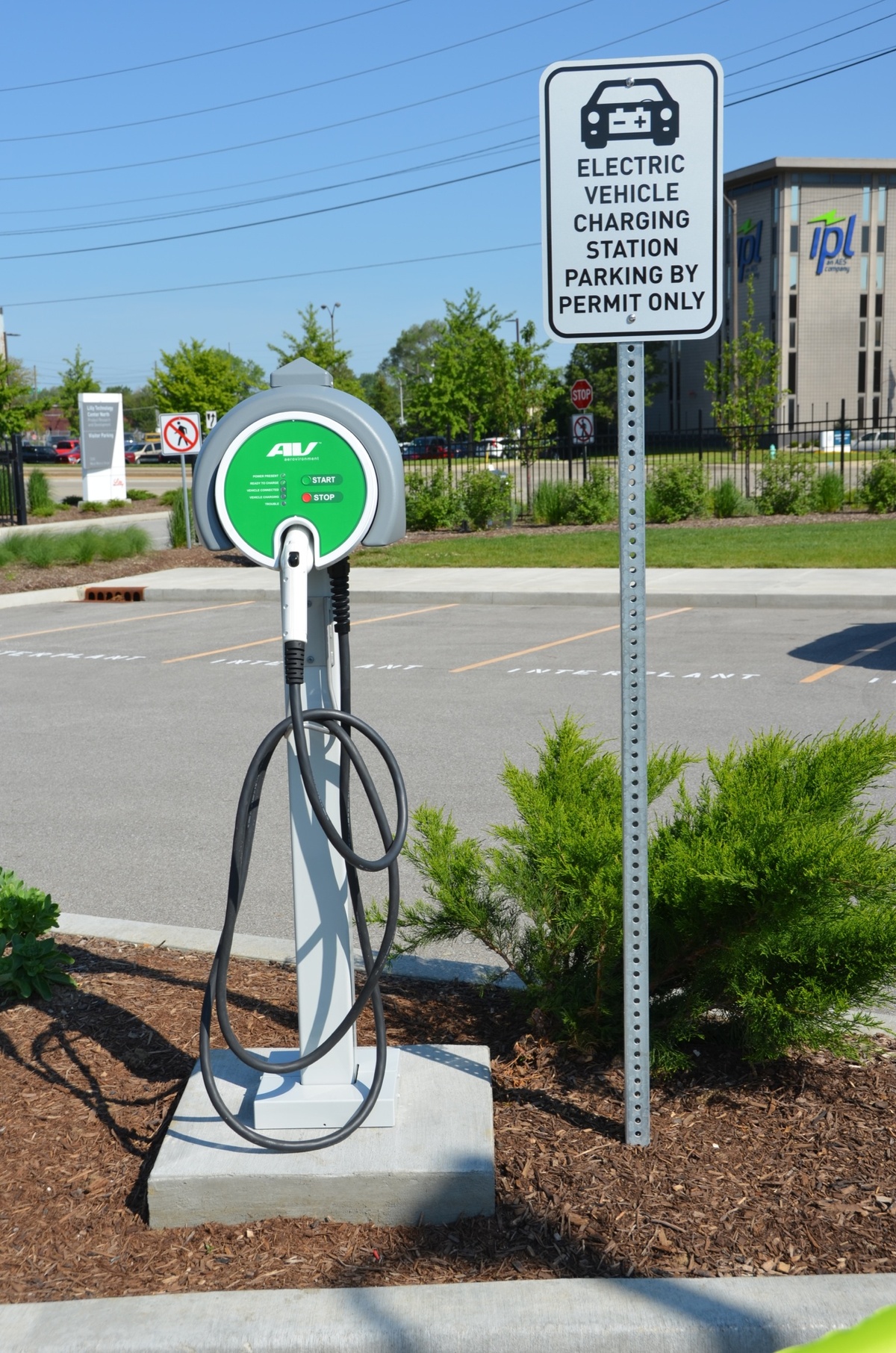
Why Investors Like This Sector
Learn More About EV Charging
Explore our detailed guides on investing, technology, and returns in the EV charging sector.
Investment Guide
Investing in EV Charging Stations: A Lucrative Business Opportunity
A comprehensive guide covering the EV charging landscape, business models, pricing structures, revenue strategies, location optimization, and future outlook.
Read moreTechnology
Battery Buffered EV Charging
How battery storage systems enable faster deployment, lower costs, and high power charging without overburdening the electric grid.
Read moreROI Guide
EV Charging Stations ROI: A Complete Guide
Why businesses should consider EV charging stations, customer expectations, returns on investment, and positioning for early advantage.
Read moreReady to Get Started?
Finstream provides the custody and distribution technology for platforms that tokenize EV charging infrastructure, enabling digital ownership of real world charging assets.
Create an account to access EV charging investment opportunities or talk to our team about integrating Finstream into your platform.
Company Profile
Read the Full EV Charging Investment Guide
Covers investment models, revenue streams, battery buffered charging, global EV landscape, ROI formulas, and Africa specific market opportunities.