Clean Energy
Infrastructure & Finance
Finstream supports organizations building digital asset products around the global energy transition from tokenized solar and wind projects to on chain carbon markets and green bond instruments.
The energy transition needs new financial rails
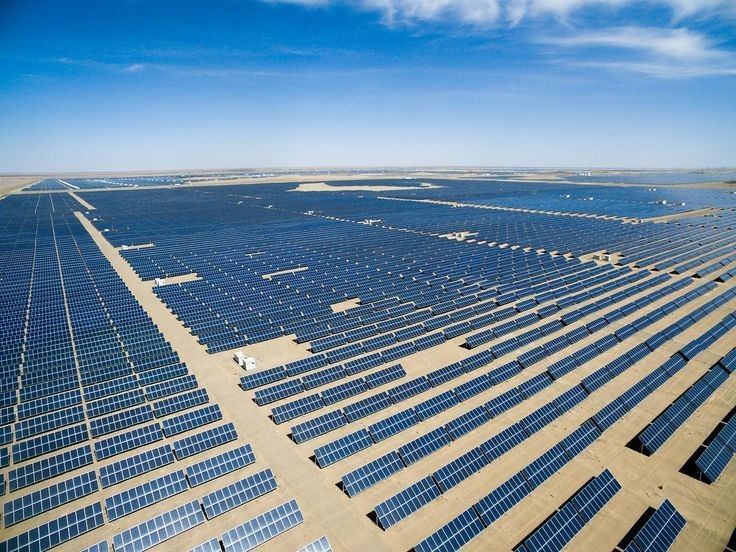
Reaching net zero by 2050 requires over $4 trillion in annual clean energy spending. Tokenization transforms how solar farms, wind arrays, and battery storage projects are financed and owned, enabling broader participation in clean energy economics through programmable digital assets.
Finstream supplies the MPC wallet backbone so platforms can manage energy project tokens, automate revenue distributions, and meet compliance requirements across multiple jurisdictions, all through a single API layer.
Solar Project Tokens
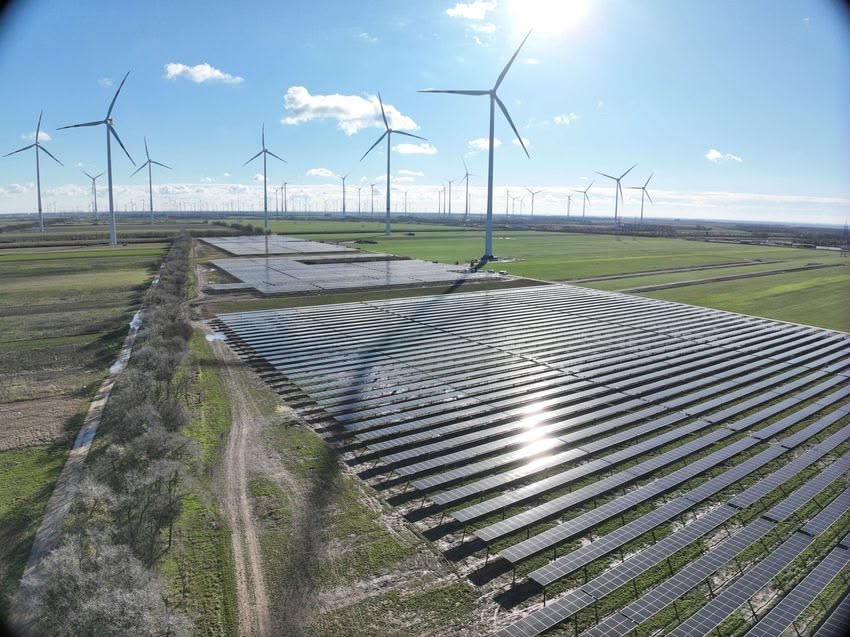
Utility scale solar farms structured as revenue sharing digital assets with proportional distributions.
Wind Energy Assets
Onshore and offshore wind arrays tokenized with long term power purchase agreements backing cash flows.
Carbon Credits On Chain
Verified carbon offset credits issued as blockchain tokens with transparent retirement and audit trails.
Green Bond Tokenization
Traditional green bonds reissued as fractional digital securities opening clean energy finance globally.
Platform Infrastructure
Renewable Energy Projects
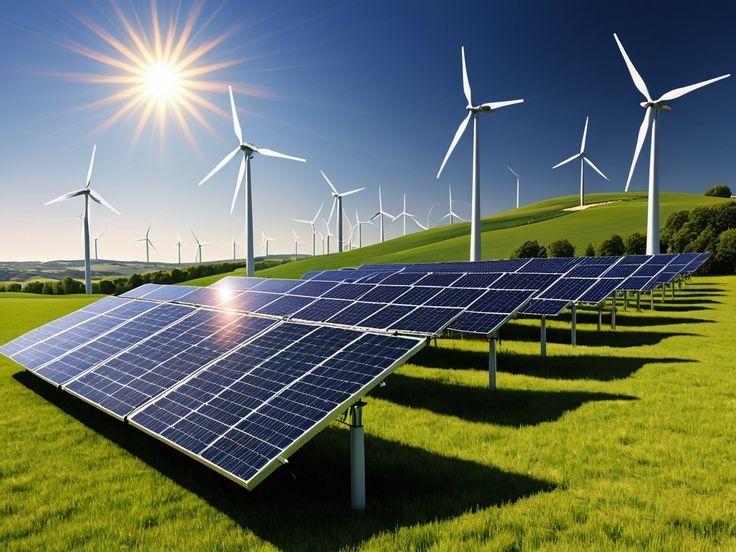
Renewable energy projects are investments in assets that generate clean electricity. These assets can include solar farms, wind turbines, and green energy infrastructure producing power that is sold to the grid, utilities, or business customers.
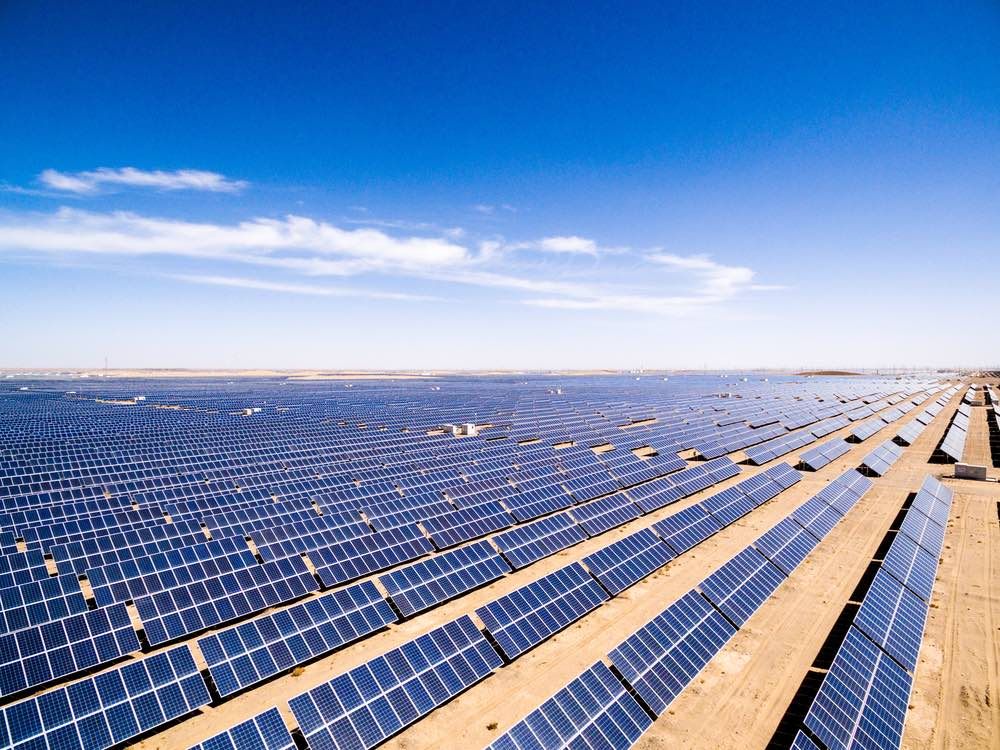
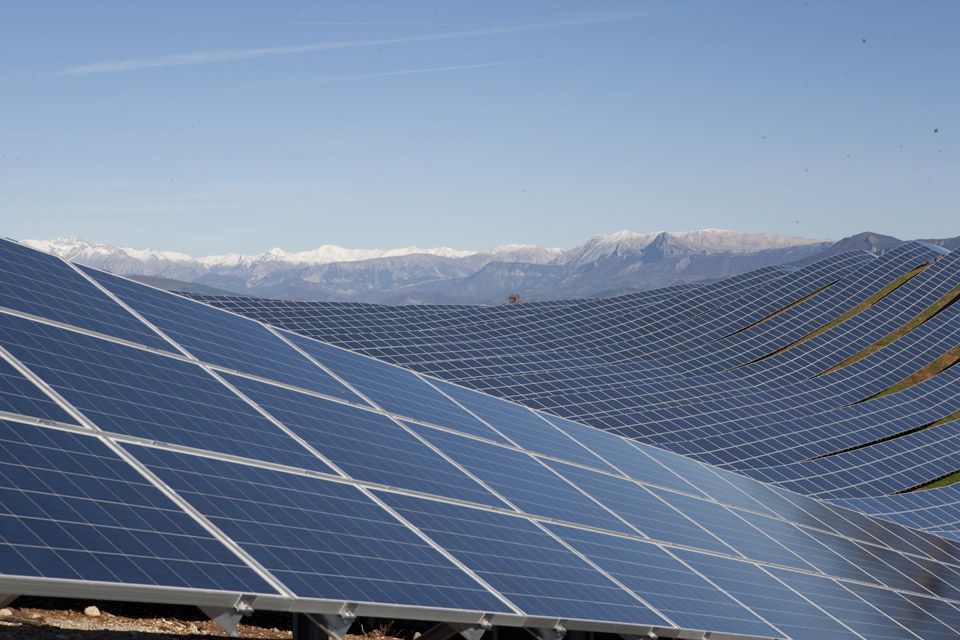
A solar farm uses sunlight to produce electricity through photovoltaic panels. A wind project uses turbines to convert wind into electrical energy. Green energy infrastructure can also include grid connected systems and related equipment.
These projects are usually developed by energy companies or project sponsors. The company creates a project and raises money to build or acquire it. Investors can participate by buying shares in the company or project vehicle, in some cases through a fund, cooperative, or private offering.
Power Purchase Agreement (PPA)
A PPA is an arrangement where a developer owns and operates the energy system. The buyer agrees to purchase the electricity produced by the project, giving it a stable source of revenue.
The company uses that revenue to pay expenses, maintenance, insurance, and management fees first. The remaining profit is then shared with investors based on ownership percentage a pro rata distribution.
Renewable Energy Project Investing
Rather than investing in traditional assets alone, investors can buy into solar farms, wind energy projects, and other renewable infrastructure. By owning a share of the project, they may benefit from revenue generated when electricity is sold to the grid or contracted buyers, while gaining exposure to the long term growth of clean energy assets.
Investors usually do not build a solar farm or wind turbine themselves. They invest money into a company, cooperative, fund, or project vehicle that owns the energy project. That project then earns money by selling electricity under a contract or into the grid.
Simple flow
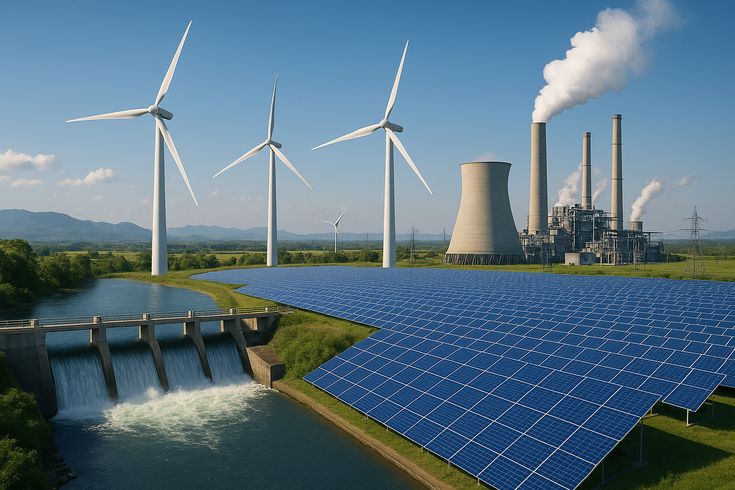
You invest in the solar project → the project sells electricity → revenue comes in → your share of profit may be paid out.
How it works
A project is created
A developer finds land, gets permits, arranges grid connection, installs equipment, and sets up the legal ownership structure for a solar farm or wind turbine project.
Investors buy into the project
Instead of owning the whole project, investors buy a share through a private investment company, a cooperative, a renewable energy fund, or a publicly traded energy company.
The project produces electricity
Once operating, the solar farm or wind turbine generates electricity that is sold to the grid, a utility, or to a business under a long term electricity contract such as a power purchase agreement.
Revenue comes in
The project earns money from electricity sales. In some markets there can also be added value from environmental certificates or renewable energy attributes.
Investors get returns
Returns may come from cash distributions from project income, savings or credits tied to energy generation, or growth in the project value over time. Not every model pays the same way.
Investment Examples
Example 1 Solar Farm
A company wants to build a $5 million solar farm. 200 investors contribute money. You invest $10,000, helping fund construction. The solar farm starts producing electricity, sold to the grid or under contract. After expenses, investors receive their share of income. Your return depends on how much power the farm generates, electricity prices, maintenance costs, and how valuable the project becomes.
Example 2 Wind Turbine Project
Investors pool money into a wind project with several turbines. The turbines generate electricity when wind conditions are good. The project pays operating costs, debt, and maintenance. Remaining profit is shared with investors. Returns can be affected by wind levels, downtime, grid connection issues, and electricity sale prices.
Example 3 Cooperative Model
In a cooperative structure, people buy into a wind or solar project. The project generates electricity and the member's benefit is tied to their share of production. The value can come as savings, credits, or project linked returns depending on the structure.
3 Common Ways to Invest
Direct Project Share
You invest in one specific solar or wind project for targeted exposure.
Good for: targeted exposure
Risk: concentrated in one project
Renewable Energy Fund
Your money is pooled across many projects for diversification.
Good for: diversification
Risk: fees and less direct control
Publicly Traded Energy
You buy shares in a listed company that owns renewable assets.
Good for: easier entry and liquidity
Risk: share price moves with the market
Ready to Get Started?
Investing in renewable energy with Finstream can be a great way to diversify your income while contributing to a more sustainable future.
Finstream is here to assist with every step, from choosing a business model to managing your portfolio and tracking returns.
Company Profile
Read the Full Renewable Energy Guide
Covers solar & wind investment examples, how PPAs work, the 3 common ways to invest, and where returns come from, step by step.